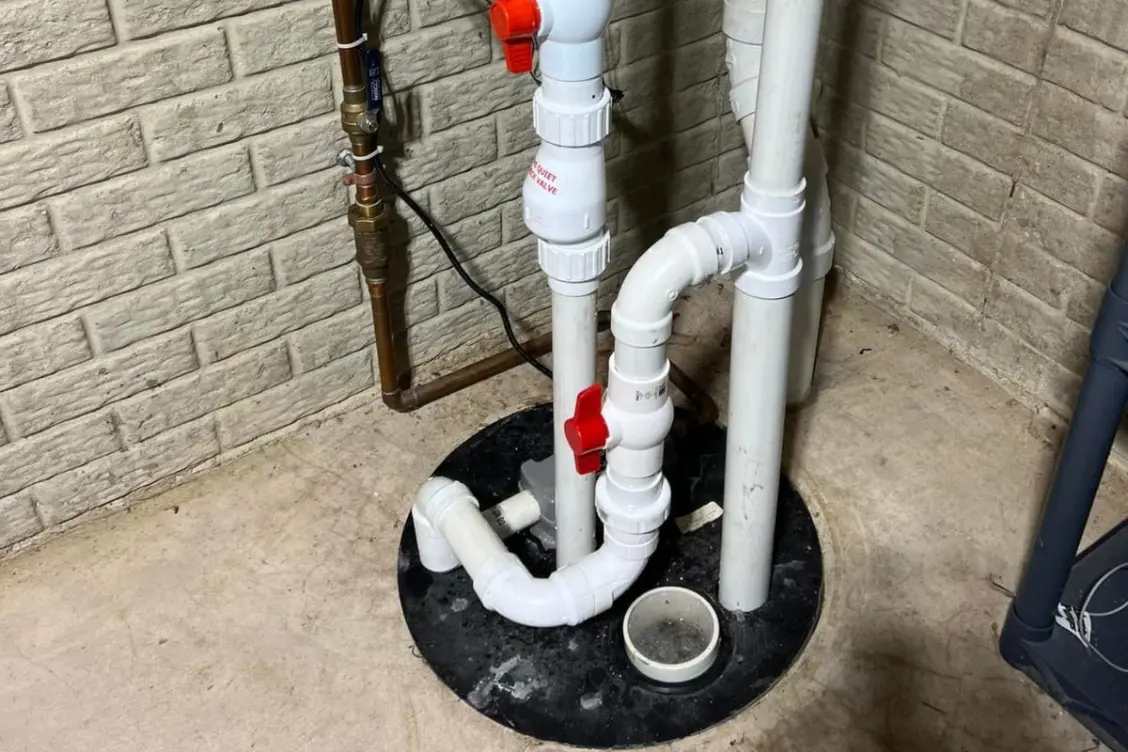
Sump Pump Installation Price in Washington: A 2025 Guide

Key Highlights

  • Expect to pay between $385 and $1,902 for sump pump installation in Washington in 2025.

  • Costs can vary based on the type of sump pump (submersible or pedestal), brand, horsepower, and additional features.

  • Labor costs in Washington for plumbers are influenced by location and the complexity of the installation.

  • Permits, code compliance, and inspections might be mandatory.

  • Consider extra features like battery backups for power outages and water alarms for added peace of mind.

Why Does This Matter?

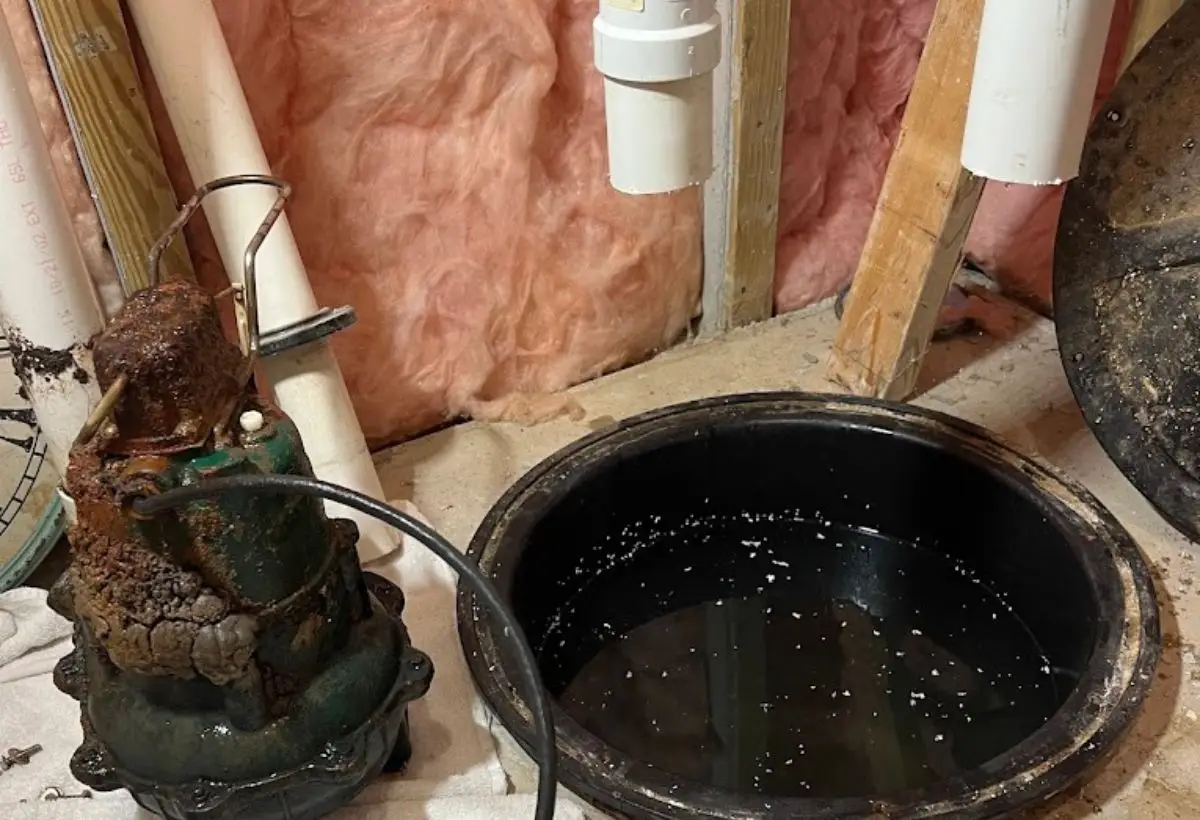
Sump pumps are more than just a nice gadget to have. For a lot of people in Washington, they’re a lifeline against flooding, especially with all the rain we get. A basement sump pump keeps water from pooling in your basement floor and wrecking everything.


Knowing how much it’ll cost of installation—and what can influence that price—helps you plan better and avoid any surprises later.

What Affects Sump Pump Installation Costs?

Prices vary, but you need to know what factors into those numbers. If you want an exact price, you should talk to a licensed master plumber to get an estimate for your specific situation.


Here are some things that will affect the sump pump cost:

Type of pump

Do you want a submersible pump (usually quieter and more durable) or a pedestal sump pump (cheaper but not as powerful)?

Brand

Some brands are just more expensive than others, so keep that in mind.

Labor costs

The plumber’s hourly rate depends on your location in Washington and how complicated the job is.

Additional features

Backup sump pumps, new sump basins, and discharge pipes will all raise the price.

Why Sump Pumps Are Important in Washington

Let’s be real—living in Washington means rain. A lot of rain. Sump pumps are crucial if you don’t want your basement to flood and ruin your stuff. They direct water away from the foundation, preventing expensive water damage.


Ignoring basement floor flooding can lead to mold, structural damage, and a massive drop in your property value. Annual inspections and sump pump maintenance are a must, and it’s also important to know when to replace your sump pump before it gives out on you. Catching small issues like a float switch malfunction early will save you big-time sump pump repair costs down the road.

Average Price Range for Sump Pump Installation in 2025

While predicting the exact cost of sump pump installation is challenging, we can provide a general price range for sump pump installation in Washington for 2025. As a starting point, refer to the table below:

ServiceEstimated Price Range
New sump pump installation$385 - $1,902
Sump pump replacement$600 - $1,200
Battery Backup System$150 - $300

Bear in mind that these figures are averages and your actual project costs will be influenced by a number of factors, like the type of pump, the brand you opt for, if there are any extra labor fees involved, and whether you choose to have bells and whistles installed.

Average Price Range for Sump Pump Installation in 2025

Key Things That Affect Sump Pump Installation Costs

Many factors impact the cost of sump pump installation in Washington. Knowing these can help you plan your budget and talk more easily with the workers.


The type of pump you pick and the details of your property will affect the final price.

Types of Sump Pumps and Their Costs

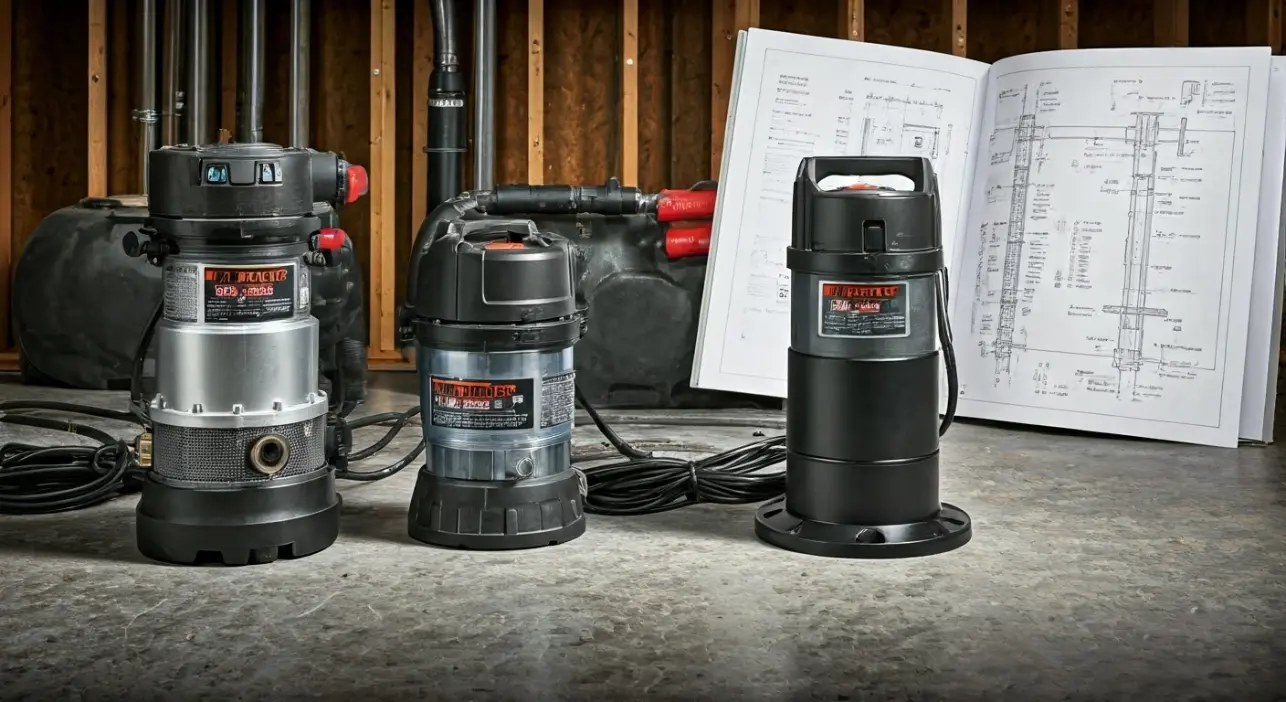
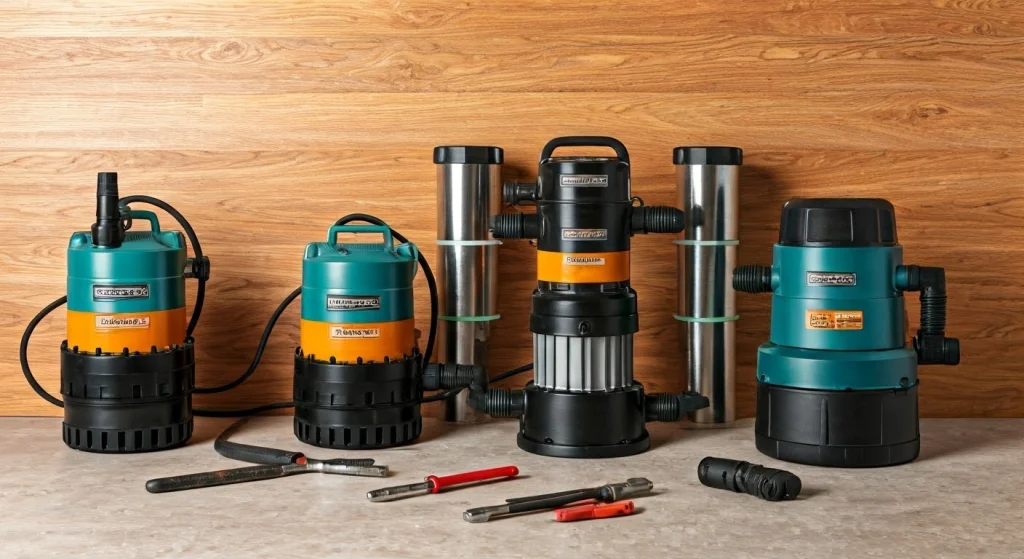
When picking a sump pump, you need to choose between a pedestal sump pump and a submersible pump. A pedestal sump pump is placed above the sump pit. A submersible pump is designed to work fully underwater.


Submersible pumps usually cost more. They are quieter, stronger, and last longer. In places with heavy rain and frequent basement flooding, the extra cost often pays back with better performance.

Labor and Installation Fees

Labor is a large part of your installation cost. The price can change depending on where you are in Washington, how complicated the job is, and the plumber’s experience.


It’s important to hire a licensed master plumber who understands sump pump needs and installation. This way, the system will meet local codes and function correctly.

Geography’s Impact on Installation Costs

Washington has different types of land, and they affect installation costs. If your house is on a slope with an existing drainage system that works well, the installation is easy.


On flat land or where water does not flow well, the job could take more effort, which can increase costs. Other things, like how deep your basement is or if you have a dirt floor, can also change the price.

Permits and Local Codes

In Washington, you typically need permits and to follow code rules when installing sump pumps. These regulations help protect homeowners and guarantee safe use.


Talk about permits with your contractor. They will add these additional costs to their estimate and manage the needed paperwork.

Extra Costs You May Face When Installing a Sump Pump

When you plan your budget for sump pump installation, keep in mind that the initial price doesn’t show everything. Yes, the pump and labor are the main costs, but some additional expenses can appear and make the final total higher.


For example, you might need a sump basin and a discharge line to make sure the system works well. There are also optional extras, like backup power sources, that can give you peace of mind. You can think of them as the last touch that makes your setup more reliable.

Backup Power Systems and Water Alarms: A Sense of Safety

Nobody wants to think about bad things happening, but a backup power system and water alarms for your sump pump are smart ideas. They can help you feel better, especially when the power goes out during a storm. The backup keeps your sump pump working, stopping your basement from flooding. At the same time, the water alarm will alert you early if there is an issue. Yes, these features will cost a little more at first, but they will provide extra safety in the future.

Sump Basin and Discharge Line: Important for Good Water Control

Another cost to think about is the sump basin and the discharge line. The basin collects water, so it’s important to choose the right size for the pump. The discharge line carries the water safely away from your home. If it’s not set up correctly, water could flow back into your basement. That’s a big issue. Both of these parts are necessary for everything to work well, even if you don’t see them doing their job every day.

DIY or Call the Pros? The Age-Old Question

Now, here’s the million-dollar question: should you attempt to install the sump pump yourself or hire a professional? Sure, some plumbing projects can be tackled by a handy homeowner, but this one usually isn’t worth the risk. If you’re not experienced with plumbing or sump pumps, you might want to leave it to the pros. After all, mistakes like leaks or pump failures can be costly, and nobody wants to pay for them.

When DIY Might Work

If you’ve done plumbing before, replaced a sump pump, and you’re comfortable with the work involved, then maybe DIY is a viable option. But let’s be real: even a small mistake can spiral into a big problem. So, if you feel unsure about any part of the process, take a step back and ask yourself—can I afford a flood in my basement because I didn’t want to hire someone? Better to make the smart call and have the job done right the first time.

Why You Should Go Pro

Choosing a professional for sump pump installation has many benefits. This is especially true in Washington, where the weather can change quickly. A licensed plumber has the right skills and knows the local rules. They also have the tools needed to complete the job correctly the first time.


Their experience makes sure everything is set up right. This helps cut the chance of leaks, bad drainage, or pump problems later. When you hire a professional, you are not just paying for help—you are getting peace of mind. You can feel good knowing your sump pump is being taken care of and your home is protected from water damage.

Conclusion

In conclusion, it is important for homeowners in Washington to understand the costs and factors involved in sump pump installation. Choosing the right sump pump for your home can help prevent water damage and protect your property. Whether you are thinking about DIY installation or hiring experts, always focus on protecting your home from water-related issues in the long run. Make sure you know the average price range, types of sump pumps, and labor costs. This will help you make a good choice that fits your budget and needs. Keep your investment safe and enjoy peace of mind with a dependable sump pump system.
About D.A. Nabhan Plumbing and Dave, the owner of D.A. Nabhan Plumbing Services

Need a reliable sump pump installed?

We’re here to help you keep your home dry and safe. At Nabhan, our team of expert plumbers in Washington will make sure your sump pump is installed correctly, so you can avoid water damage and flooding. Contact us today to schedule your installation!

got some questions in mind?

Sump Pump Installation Price - FAQs

How often should a sump pump be replaced in Washington?

A sump pump usually lasts around 7 to 10 years. However, in Washington, where it rains a lot, it’s smart to check it every year. Let a professional inspect it—they will see if it needs some care or a complete replacement. You don’t want to be surprised by a flooded basement.

You can definitely try to put in the sump pump by yourself. But it’s a bit like making a cake without a recipe—it might seem fine at first, but it could easily fall apart down the road. If you don’t know much about plumbing or if you have a small crawl space, it’s better to call an expert. They will ensure that everything is installed properly. This way, you won’t have any worries or water damage later.

A sump pump helps protect your basement from flooding. It directs water away from your home’s foundation, preventing it from getting into your living area. In Washington, where it rains a lot, it’s important to have a professional install it right. If you skip this step, you could end up with a flooded foundation, and that’s a big mess you want to avoid.

There are two main types: one is the pedestal, and the other is the submersible. Pedestal pumps sit above the sump pit. Submersible pumps go completely underwater. Pedestal pumps cost less but are less powerful. Submersible pumps work better in homes that get a lot of water or have regular flooding. Pick the pump based on what you need and the water level you want to manage.

A lot affects the cost. First, there’s the pump itself—on a pedestal or underwater, made of metal or plastic. Then, depending on where you live, the kind of floor you have, and the layout of your property, prices can change. Also, remember any permits you might need. It’s smart to get an estimate early so you won’t feel surprised when the bill arrives.
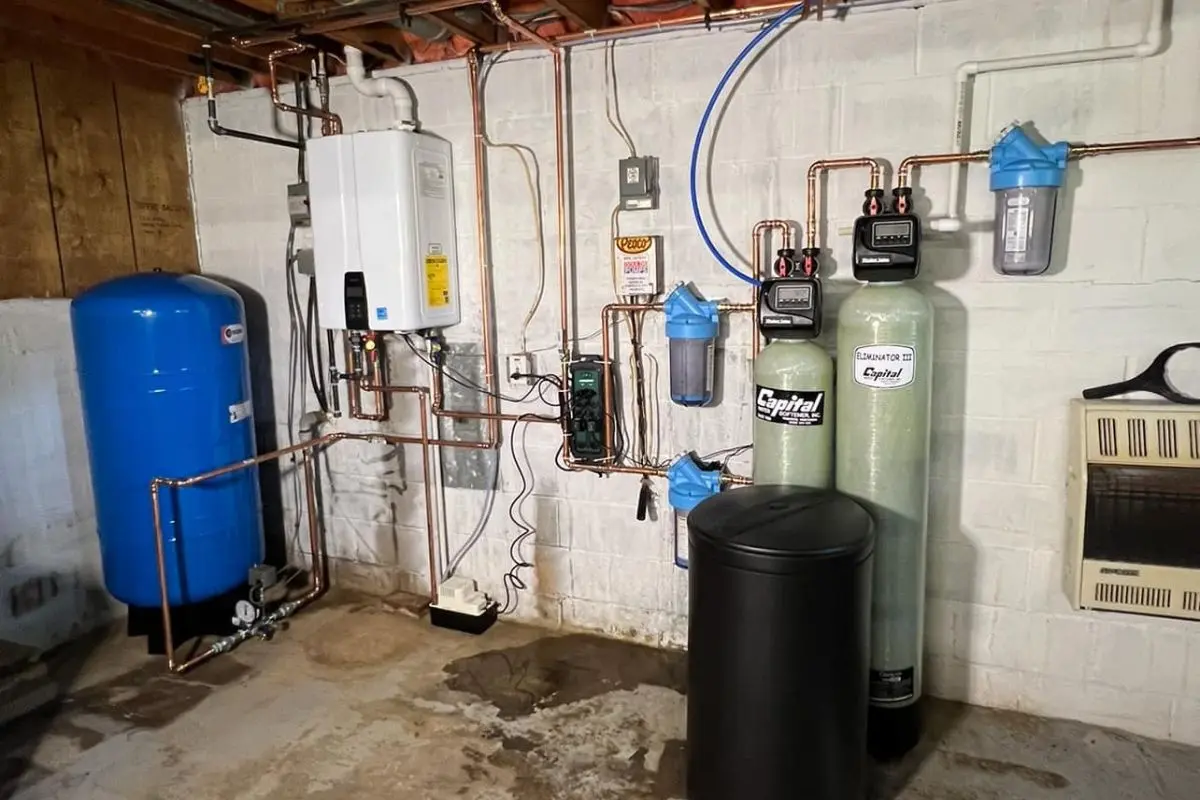
Water Heater Leaking? Here’s What You Need to Know

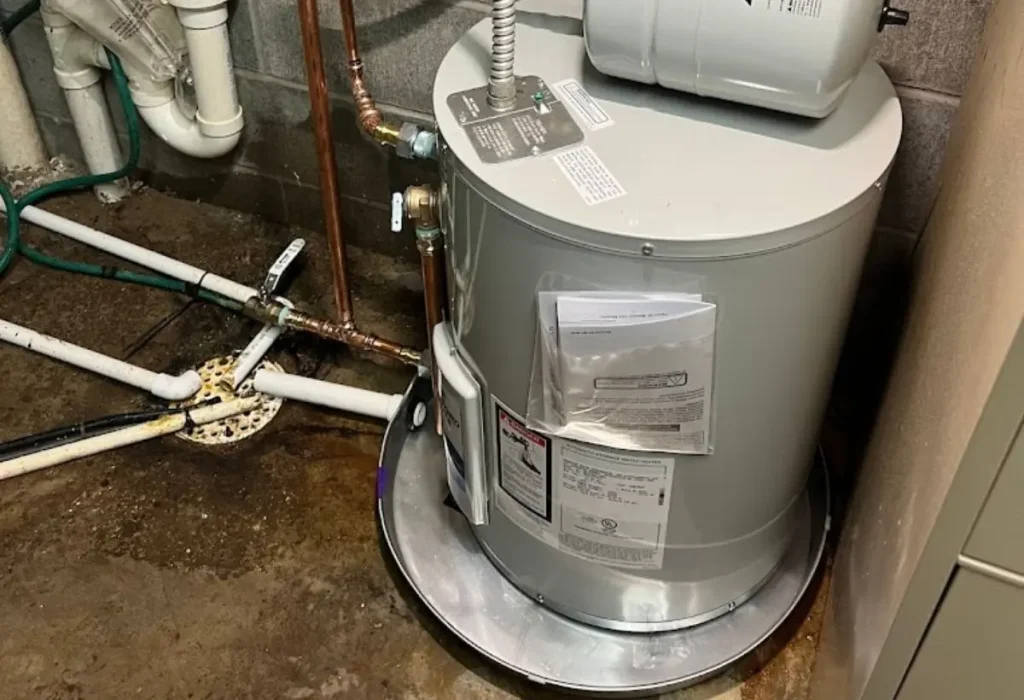
Water heaters are one of those appliances we tend to ignore until something goes wrong. But when you spot a puddle around your unit or hear an ominous drip, it’s hard to look the other way. A leaking water heater isn’t just an inconvenience; it’s a red flag that something’s amiss. Before we dive into solutions, let’s get a clear picture of what’s happening behind the scenes.

How Does a Water Heater Work?

First things first, let’s break down the basics. Your water heater is essentially a giant thermos with a job: heat water and deliver it to your faucets, shower, and appliances. Whether it’s a traditional tank model or a sleek tankless system, the core components are similar. There’s the tank (if you have one), heating elements, pipes, a pressure relief valve, and a drain valve.


Here’s the kicker: all these parts work together under pressure and high temperatures. Over time, wear and tear can cause connections to loosen, seals to fail, or the tank itself to corrode. Understanding how your water heater functions is the first step to figuring out why it might be leaking.

Is It Really Leaking? Common Signs to Watch For

Not all leaks are created equal. Sometimes, what looks like a leak might just be condensation—especially if you live in a humid climate. But how do you know when it’s the real deal? Here are some telltale signs:


Puddles or moisture around the base: This is the most obvious clue. If you notice water pooling around your unit, it’s time to investigate.


Rust or corrosion on the tank: Rust is a sneaky enemy. If you spot it on the tank or pipes, it could mean internal damage.


Unusual noises: Popping, cracking, or rumbling sounds can indicate sediment buildup, which often leads to leaks.


Reduced hot water supply: If your showers are suddenly lukewarm, it could be a sign your hot water heater is struggling—and possibly leaking.


The bottom line? Don’t ignore these warning signs. A small drip today could lead to further damage (and possibly a flood) tomorrow.

Why Is My Water Heater Leaking? Let’s Get to the Root

Now that we’ve covered the basics, let’s dig into the “why.” Water heaters don’t just spring leaks for no reason. Here are the most common culprits:

1. Age and wear: Like all appliances, water heaters have a lifespan. If yours is over 10 years old, it’s likely nearing the end of its run.

2. High water pressure: Too much pressure can strain your tank and valves, leading to leaks.

3. Loose or damaged connections: Over time, the pipes and fittings connected to your heater can loosen or corrode.

4. Faulty valves: The pressure relief valve and drain valve are common leak sources, especially if they’re worn out or improperly installed.

5. Internal tank corrosion: This is the big one. If the tank itself is corroded, it’s often a sign you need a replacement.

By understanding these causes, we can better diagnose the issue—and take the right steps to fix it.

So, there you have it: the inside scoop on what’s really going on when your water heater starts leaking. But don’t stop here—next, we’ll walk you through how to pinpoint the exact source of the problem. Because when it comes to leaks, knowledge is power (and savings)!

Old-Water-Heater-Maintenance

Water Heater Leaks 101: Everything You Need to Understand

When it comes to water heaters, I’ve seen just about everything—small leaks, serious drips, and even full-on floods. After spending years in the plumbing world, I’ve learned that understanding the basics of how your water heater works—and what might cause leaks—is the key to preventing some serious headaches. So, let’s roll up our sleeves and dive into the details.

How Does a Water Heater Work? A Plumber’s Breakdown

At first glance, a water heater seems like a simple machine, but every part plays a vital role in making sure things run smoothly. Let’s break it down:


  • The Water Tank: This is the main player in a traditional water heater. Made of steel and coated with glass to prevent rust, the tank holds the water that gets heated. Cold water enters via a dip tube, which sends it to the bottom, where it’s heated by gas or electric elements. The hot water rises and waits at the top, ready to flow out to your faucets.

 
  • The Pipes: Your water heater has two important pipes: one that brings in cold water (the inlet) and one that sends out hot water (the outlet). These pipes are often made of copper or PEX, and they’re connected to the tank with fittings that, over time, can become worn or loose.

 
  • The Pressure Relief Valve (TPR Valve): This valve is your water heater’s built-in safety feature. If the pressure in the tank rises too high—usually above 150 psi—it opens up to release some of that pressure. This prevents the tank from exploding, but it’s also a common culprit for leaks if the valve is worn out or damaged.


Understanding how these parts interact is more than just knowing some technical lingo—it’s essential for diagnosing and fixing leaks. Once you know how everything works, you’ll be in a better position to spot issues before they turn into big problems.

Is Your Water Heater Leaking? Here’s How to Tell

Leaks aren’t always obvious, and sometimes they’re sneaky. But there are a few clear signs to watch for:


  • Puddles or Moisture Around the Unit: This is the biggest red flag. If you see water pooling at the base of your water heater, it’s time to investigate. However, don’t panic just yet—sometimes, it’s just condensation, especially if you have a gas heater in a humid environment.

 
  • Rust or Corrosion on the Tank: Rust can be a sneaky troublemaker. If you spot rust on the outside of the tank, it often means the interior is also starting to corrode. This is especially common in older units or in areas with poor water quality or hard water.

 
  • Unusual Noises: If your heater starts making popping, cracking, or rumbling sounds, it could be a sign of sediment buildup at the bottom of the tank. Over time, this sediment can lead to overheating and cracks, which eventually cause leaks.

 
  • Reduced Hot Water Supply: If you’ve noticed that your showers are lukewarm or your dishwasher isn’t getting hot water, it might be because your heater is struggling or leaking. It’s worth taking a closer look before the problem worsens.


While these signs may seem minor, they’re your first warning system. If ignored, they could lead to a much bigger—and costlier—issue down the line.

Why Is My Water Heater Leaking? Let’s Dig Into the Causes

Let’s get to the bottom of it: why does your water heater leak in the first place? Based on years of experience, here are the most common culprits:


1. Age and Wear: No water heater lasts forever. Most traditional tank units have a lifespan of about 8-12 years. As they age, the interior lining of the tank breaks down, leading to corrosion and leaks. If your unit is pushing the 10-year mark, it’s a good idea to keep a close watch on it.


2. High Water Pressure: Your water heater can only handle a certain amount of pressure—typically 40-60 psi. If your home’s water pressure exceeds this, it puts a lot of strain on the tank, pipes, and valves, often resulting in leaks. A pressure regulator can help keep everything in check if your pressure is too high.


3. Loose or Damaged Connections: Over time, the fittings and connections that link your pipes to the heater can loosen or corrode. This is especially common at the inlet and outlet pipes, as well as the TPR valve. A quick tightening might help, but if corrosion is present, you’ll need to replace the fittings.


4. Faulty Temperature Settings: If your water heater’s temperature is set too high (above 140°F), it can cause excessive pressure buildup inside the tank, leading to leaks. I recommend setting the temperature to around 120°F—it’s hot enough for daily use and won’t overwork your unit.


5. Sediment Buildup: In places with hard water, minerals like calcium and magnesium can build up in the tank over time. This sediment acts as an insulator, making the tank overheat and eventually crack. Flushing your tank annually can prevent this issue from becoming a major problem.

damage water heater pipe

Finding the Leak: A Step-by-Step Guide to Pinpointing the Problem

When your water heater starts leaking, the first question is always, “Where’s it coming from?” Over the years, I’ve developed a systematic approach to diagnosing leaks, and I’m going to walk you through it step by step. By the end of this section, you’ll know exactly where to look—and what to do when you find the issue.

Is It the Pressure Relief Valve? Let’s Check

The pressure relief valve (also called the TPR valve) is one of the most common culprits when it comes to leaks. Here’s why:


What It Does: The TPR valve is a safety feature designed to release water if the pressure inside the tank gets too high (usually above 150 psi). This prevents the tank from exploding, but it also means the valve can wear out over time.


How to Test It:


1. Locate the valve—it’s usually on the side or top of the tank, with a discharge pipe running down the side.

2. Place a bucket under the discharge pipe to catch any water.

3. Lift the valve’s lever slightly to release a small amount of water. If water continues to drip after you release the lever, the valve is faulty and needs to be replaced.

4. If the valve is leaking from the sides or base, it could be due to a loose connection or a damaged seal. Tighten it carefully with a wrench, but if that doesn’t work, replacement is your best bet.


Pro Tip: Always replace a TPR valve with one that has the same pressure and temperature rating as the original. Mismatched valves can be dangerous.

Is the Drain Valve the Problem? Let’s Investigate

The drain valve, located at the bottom of the tank, is another common leak source. Here’s what to look for:


Signs of a Faulty Drain Valve:

– Water dripping from the valve itself, even when it’s fully closed.

– Rust or corrosion around the valve, which can indicate wear.

– Difficulty turning the valve, which might mean it’s seized or damaged.


Steps to Fix It:

1. Turn off the power and water supply to the heater.

2. Attach a garden hose to the drain valve and run it to a floor drain or bucket.

3. Open the valve to flush out any sediment that might be causing the leak.

4. If the leak persists, try tightening the valve with a wrench. Be careful not to overtighten, as this can damage the threads and lead to necessary repairs.

5. If tightening doesn’t work, replace the valve. Most drain valves are either brass or plastic and can be unscrewed with a pipe wrench.


Pro Tip: When replacing the drain valve, wrap the threads with plumber’s tape to ensure a tight seal and prevent future leaks.

Is the Tank Itself Leaking? Here’s How to Tell

If the leak isn’t coming from the valves or connections, the tank itself might be the issue. This is a more serious problem, but here’s how to diagnose it:


How to Identify Cracks or Corrosion:

– Inspect the exterior of the tank for rust streaks or wet spots. These are often signs of internal corrosion.

– Check the bottom of the tank for pooling water, which can indicate a crack.

– Look for bulging or warping on the tank’s surface, which suggests internal pressure damage.


When the Tank Is Beyond Repair:

– If your water heater tank is more than 10 years old and showing signs of corrosion or cracks, it’s usually not worth repairing. The internal lining is likely compromised, and patching it up is only a temporary fix.

– In this case, replacement is your best option. Trust me, I’ve seen too many homeowners try to salvage a failing tank, only to end up with a flooded basement.


Pro Tip: If you’re unsure whether the tank is leaking, dry the area thoroughly and place a piece of cardboard under the unit. Check it after a few hours—if the cardboard is wet, the tank is likely the source.

Are the Inlet and Outlet Connections to Blame? Let’s Take a Closer Look

The pipes connected to your water heater are another potential leak source. Here’s what to check:


Common Issues with Pipe Fittings:

– Loose connections: Over time, the nuts and bolts securing the pipes can loosen, causing small leaks.

– Corroded fittings: If you see green or white buildup around the connections, it’s a sign of corrosion.

– Cracked pipes: Inspect the pipes for visible cracks or splits, especially near the joints.


How to Fix Loose Pipe Connections:

1. Turn off the water supply and power to the heater.

2. Use a wrench to tighten the fittings on the inlet and outlet pipes. Be gentle—overtightening can strip the threads.

3. If the fittings are corroded, replace them. You’ll need to cut the old pipes and install new ones using compression fittings or soldering, depending on the material.

4. For cracked pipes, cut out the damaged section and replace it with a new piece of pipe.


Pro Tip: If you’re working with copper pipes, use a pipe cutter for a clean edge and flux before soldering to ensure a watertight seal.


By now, you should have a clear idea of where your leak is coming from—and what to do about it. But if you’re still unsure, don’t hesitate to call in a professional. Sometimes, a second pair of eyes can save you time, money, and a whole lot of hassle.

Leak Emergency: Quick Steps to Avoid Big Damage

When you notice a leak, don’t wait around. I’ve seen how a small drip can turn into a real mess if you don’t act fast. Let’s walk through what you need to do right away to protect your home—and your budget.


Step 1: Shut Off the Power—First Things First

Before you do anything else, the very first thing you need to do is turn off the power to your water heater. Water and electricity (or gas) don’t mix well, and things can get dangerous fast. Here’s how you can do it safely:


  • For Electric Water Heaters:

    1. Head to your home’s electrical panel (you’ll usually find it in the basement, garage, or utility room).

    2. Find the breaker that says “water heater” and flip it to the off position.

    3. If it’s not labeled, look for a double-pole 30-amp breaker, which is often what powers electric heaters.

    4. If you’re still unsure, use a voltage tester to make sure the power’s off before touching anything.


  • For Gas Water Heaters:

    1. Locate the gas shut-off valve, usually near the bottom of the heater on the gas supply line.

    2. Turn the valve so it’s perpendicular to the pipe to stop the gas.

    3. If you smell gas (like rotten eggs), leave immediately and call your gas company.


Pro Tip: If you’re unsure about shutting off the gas or power, just call a professional. Better safe than sorry.


Step 2: Cut Off the Water—Stop the Flow

Now that the power is off, your next step is to stop the water from flowing to the heater. Here’s how to do it:


  • Find the Shut-Off Valve:

    • If you have a tank-style heater, the shut-off valve is usually on the cold water supply line near the top. It’s often a lever-style valve (ball valve) or a round handle (gate valve).

    • If you can’t find it near the unit, check around the water meter or where the main water line enters the house.


  • Turn the Valve Off:

    1. For lever valves, turn the handle so it’s perpendicular to the pipe.

    2. For round handles, twist it clockwise until it stops.

    3. If the valve is stuck, use a wrench to gently loosen it—but don’t force it, as old valves can break.


  • Stop More Water Damage:

    • Place a bucket or container under the leak to catch any water still coming out.

    • If the leak is big, grab towels or a wet/dry vacuum to clean up any standing water.

    • Open a hot water faucet elsewhere in your house to relieve the pressure in the system and reduce the water flow from the leak.


Pro Tip: If your shut-off valve is hard to turn, it might be time to replace it with a ball valve. They’re more reliable, especially when you’re in a rush.


Step 3: Assess the Leak—Is It a Drip or a Flood?

Leaks aren’t always the same. Some are small and easy to handle, but others can quickly get out of hand. Here’s how to figure out what you’re dealing with:


  • Small Drips:

    • If the leak is just a slow drip from a valve or connection, it’s usually not an emergency.

    • Tighten the connection or replace the part causing the leak as soon as you can.

    • Keep an eye on it to make sure it doesn’t get worse.


  • Major Flooding:

    • If water is pouring out fast or quickly pooling, it’s a bigger issue.

    • Turn off the water and power right away (like we talked about earlier).

    • Call a plumber immediately—this is not a DIY job.


  • When to Call a Professional Right Away:

    • If the leak is coming from the tank itself, especially near the bottom.

    • If you see rust, corrosion, or bulging on the tank.

    • If you can’t figure out where the leak is coming from or how to fix it.


Pro Tip: Keep the number of a reliable plumber handy. In an emergency, you don’t want to waste time trying to find one.


By acting quickly and carefully, you can keep a small leak from turning into a big, expensive problem. Always remember, if in doubt, call a professional. Better safe than sorry!

To Fix or Replace? Your Ultimate Guide to Water Heater Decisions

Water heaters. We rarely give them much thought—until something goes awry. When your water heater starts leaking, the first question that hits you is: Can I fix it, or is it time to say goodbye? After decades in the plumbing world, I’ve encountered everything from minor leaks to total system failures. Let’s break down the options, so you can decide what’s best for your home and your wallet.

DIY Fixes for Small Leaks: When You’ve Got This

Not every water heater issue requires a pro. If the problem is minor and you’re comfortable with tools, you may be able to tackle it yourself. Here’s how to go about it:


  • Tightening Loose Fittings or Replacing Valves:

    • Tightening Fittings: Grab a wrench and carefully tighten the connections on your inlet, outlet, and drain valve. But, don’t overdo it—too much force can strip threads or crack the fittings.

    • Valve Replacement: If your pressure relief valve or drain valve is leaking, it might be time to swap it out. Start by shutting off the water and power, partially draining the tank, and replacing the old valve with a new one. Don’t forget the plumber’s tape to keep things sealed.


  • When DIY Works:

    • Small leaks around valves or connections are easy to address with the right tools and a little patience.

    • You’ve got the skills (or at least the right tools), and you’re feeling confident.

    • The heater is relatively new (less than 8 years old) and in decent shape.


Pro Tip: Keep a bucket, towels, and flashlight handy—things can get messy quickly, even with small jobs.

When to Call in the Pros: Don’t Push Your Luck

Some situations are beyond DIY repairs, and it’s better to call in a professional. Here’s when to pick up the phone:


  • Signs You Should Leave It to the Experts:

    • A leak coming from the tank itself, especially at the bottom.

    • Rust, corrosion, or bulging on the tank.

    • Unusual sounds like popping, cracking, or hissing, which often indicates something’s seriously wrong.

    • If you’re unsure of where the leak’s coming from or how to fix it.


  • The Benefits of Professional Help:

    • Quick Diagnosis: An experienced plumber can pinpoint the issue quickly, so you’re not left guessing.

    • Specialized Tools and Parts: Plumbers have access to the right tools and high-quality replacement parts.

    • Long-Term Fixes: Professionals provide lasting repairs, so you don’t have to worry about repeat issues.


Pro Tip: If you’re hesitating, ask yourself: What’s it going to cost if I mess this up? Sometimes, paying for a pro upfront saves you money in the long run.

Repair or Replace? Making the Right Choice

Deciding whether to repair or replace a water heater isn’t always clear-cut. Here’s what to think about:


  • Things to Keep in Mind:

    • Age of the Heater: Traditional water heaters typically last between 8–12 years. If yours is older and showing signs of wear, replacement is often the smarter choice.

    • Cost of Repairs: If the repair bill is more than 50% of what it would cost to replace the unit, you might want to skip the fix and go for a new one.

    • Recurring Problems: If you’ve been constantly patching up leaks or other issues, it’s a clear sign your heater is nearing the end of its lifespan.


  • Signs It’s Time for a New Water Heater:

    • The tank is leaking from multiple spots or is cracked.

    • Hot water runs out too quickly, or you’re always running out.

    • Energy bills are creeping up because the unit is no longer as efficient.

    • Your water heater is well over 10 years old and showing visible signs of aging.


Pro Tip: If you’re on the fence, ask your plumber for an honest assessment. A good pro will tell you when it’s time to replace, no sales pitch attached.

Choosing a New Water Heater: Tank vs. Tankless

So you’ve decided to replace your water heater. Now, it’s time to pick the right one for your needs. Here’s a rundown:

  • Tank vs. Tankless Heaters:

  •  

    • Tank Water Heaters: These are the classic units with a storage tank. They cost less upfront but tend to be less energy-efficient because they constantly heat water, even when you’re not using it.

    •  
    • Tankless Water Heaters: These heat water on demand, offering endless hot water and better energy efficiency. The catch? They cost more to install and may require upgrades to your home’s gas or electrical setup.


  • Energy and Sizing Considerations:

    • For Tank Heaters: Look for models with a high Energy Factor (EF) rating. Size matters too—a 40-gallon tank is enough for 3–4 people, but larger families might need a 50- or 80-gallon unit.

    • For Tankless Heaters: Check the Uniform Energy Factor (UEF) rating. You’ll also need to calculate your peak hot water demand to choose the right size, measured in gallons per minute (GPM).


Pro Tip: Thinking about going tankless? Have your plumber assess your home’s gas or electrical capacity before installing. Some homes may need upgrades to keep up with the extra demand.

By weighing your options carefully and understanding what’s going on inside your water heater, you can make the best choice for your home—and your budget.

Prevent Leaks Before They Happen: Tips for a Long-Lasting Water Heater

Let’s be real—no one enjoys the hassle of dealing with a leaking water heater. But here’s the silver lining: with a little care and attention, most leaks can be avoided. After years of fixing all kinds of plumbing issues, we’ve learned that preventative maintenance and a keen eye can make all the difference. The best part? Taking a few simple steps can prolong the life of your water heater and save you from expensive repairs. Here’s how to keep your unit running smoothly.


Routine Care: Your Water Heater’s Best Friend

Think of your water heater like a car—it needs some love every now and then to keep it in good shape. A solid starting point is flushing the tank once a year to remove sediment buildup. This stuff can cause overheating and, eventually, leaks. Here’s how to do it:


  1. First, turn off both the power and water supply to the heater.

  2. Attach a garden hose to the drain valve and direct it to a bucket or floor drain.

  3. Open the valve and let the water flow for 10 to 20 minutes or until it runs clear.

  4. Close the valve, refill the tank, and switch the power back on.


Once you’ve done that, take a look at the anode rod. This little part is your tank’s defense against corrosion. If it’s worn down by more than half or less than ½ inch thick, replace it. Also, test the pressure relief valve every six months. Just lift the lever—if water doesn’t flow or keeps dripping, it’s time to swap it out.


Pro Tip: If all this DIY stuff seems too much, schedule an annual visit from a plumber. It’s a small price to pay to avoid big issues later.


Water Pressure and Temperature: Finding the Sweet Spot

Your water heater runs best when both pressure and temperature are in perfect balance. Keep the pressure at 40–60 psi; anything higher can put too much stress on the system. You can check the pressure easily with a gauge on an outdoor faucet. If it’s too high, install a pressure-reducing valve (PRV) on your main line to protect your heater and pipes.


For temperature, aim for 120°F. That’s plenty hot for showers and dishes, and it won’t put unnecessary strain on the unit or risk scalding.


Pro Tip: Not sure about your home’s water pressure? Ask your plumber to check it during your next maintenance visit.


Watch for Warning Signs: Catch Issues Before They Blow Up

Sometimes, small problems go unnoticed—until they become big, expensive issues. Stay ahead of the game by checking your water heater for these red flags:


  • Rust or corrosion on the tank, pipes, or fittings—don’t ignore even a small patch.

  • Moisture or puddles around the base of the unit—this could mean a leak is developing.

  • Strange noises like popping, cracking, or rumbling usually point to sediment buildup or overheating.


If you spot any of these, take action immediately. Tighten any loose fittings, replace worn-out valves, and flush the tank to clear out sediment. Ignoring small problems now can lead to pricey repairs down the road.


Pro Tip: Keep a log of all your maintenance tasks—inspections, repairs, and replacements. It’s an easy way to stay organized and track the health of your old water heater.

Conclusion: Don’t Let a Leak Turn Into a Flood—Take Action Today

Let’s tie it all together with the essentials you need to keep in mind. A leaky water heater isn’t just annoying—it’s a red flag that something’s off. Maybe it’s a loose fitting, a valve that’s seen better days, or a tank that’s on its last legs. Brush it aside, and you could be staring at expensive fixes, water damage, or even safety risks.


Here’s the deal: Don’t wait. If you spot a leak, act fast. Cut the power and water, figure out what’s going on, and if you’re stuck, call in a pro. Those tiny drips? They can snowball into a major mess quicker than you’d expect. Tackling the issue early is always easier on your wallet than dealing with a disaster later.


But that’s not all. Stay on top of regular maintenance. Give your tank a good flush once a year, keep an eye on the anode rod, and test the pressure relief valve every so often. Watch your water pressure and temperature, and keep an ear out for strange noises or signs of rust. These little habits can stretch the life of your water heater and save you a ton of trouble.


And hey, if you’re ever unsure, call a pro. A skilled plumber can pinpoint the problem, suggest the right fix, and get things back in working order safely. It’s not just a repair—it’s peace of mind for you and your home.

Is your water heater giving you trouble?

At D A Nabhan, we’re all about keeping your home cozy and your water heater in top shape. With years of hands-on experience, we’ll figure out what’s wrong in no time and offer solutions that work—without breaking the bank. So why wait? Reach out to us today. Let’s keep the hot water coming!

Plumbers Near Me

Looking for expert plumbers to bid your plumbing woes goodbye?

A leaky pipe, a clogged drain, or a water heater that won’t do its job can turn a good day upside down. For homeowners and businesses in Peoria, plumbing problems like these aren’t just annoying—they can lead to bigger headaches, like water damage or a spike in your water bill. And let’s face it – these issues rarely show up when it’s convenient. A broken faucet can make simple things like washing your hands a hassle, while a burst pipe can leave you with an unexpected mess and a hefty repair bill.

The good news? Help is just around the corner. Plumbers in Peoria are ready to tackle everything from quick fixes to major repairs so you can stop worrying and get back to your routine. They’ll figure out what’s wrong, explain what needs to be done, and take care of it all while you focus on your day. With a skilled plumber, you can breathe easy knowing your home is back on track.

Let’s take a look at the top plumbers that you can rely on for times when you need quick and quality service.

Lorem ipsum dolor sit amet, consectetur adipiscing elit. Ut elit tellus, luctus nec ullamcorper mattis, pulvinar dapibus leo.

D.A Nabhan Plumbing Services

D.A. Nabhan Plumbing

4.9 (56)

Salzer Plumbing

4.8 (11)

Peoria Plumbing Drain

Peoria Plumbing Drain

5.0 (8)

Arnold & Sons Plumbing, Sewer & Drain

4.5 (1,125)

Rapid Response Sewer and Drain Cleaning

Rapid Response Sewer and Drain Cleaning

5.0 (10)

Vlachos Plumbing LLC

5.0 (5)

Paluska Plumbing

5.0 (853)

BL Plumbing

BL Plumbing

4.3 (134)

Kellington & Son Plumbing & Heating

4.9 (30)

Mike Fauser Plumbing

Mike Fauser Plumbing

4.3 (36)

Mr. Rooter Plumbing of Peoria

Mr. Rooter Plumbing of Peoria

4.6 (544)

Trouble Free Plumbing Heating & Cooling Inc.

4.6 (544)

How to Choose the Best Plumbing Service

By knowing what to look for, you can make a choice that saves you time, money, and frustration. Here are some key factors to keep in mind when selecting a plumbing service.


Experience Matters

A plumber with years of experience brings valuable knowledge and skills to the table. The longer they’ve been working in the field, the more likely they are to have seen and solved a wide variety of plumbing problems. This experience can help them diagnose and fix issues quickly and correctly.


Quality Workmanship

High-quality work is about more than just fixing the problem. A great plumber pays attention to detail, uses durable materials, and leaves your space clean and tidy. Look for someone who takes pride in their work and delivers results that last.


Customer Service

Good plumbers are as attentive to their customers as they are to their tools. They should be friendly, approachable, and willing to answer your questions. A service that puts you at ease and makes the process simple is always a good sign.


Transparent Pricing

Clear, upfront pricing is a must. A trustworthy plumber will provide an estimate before starting any work so you know exactly what to expect. This eliminates surprises on the bill and allows you to plan confidently.


Proper Licensing and Credentials

Always check that the plumber has the proper licenses and certifications. These credentials prove they are trained and qualified to perform the work safely and in compliance with local codes. It’s a simple way to protect your home and investment.


Availability in Emergencies

Plumbing problems don’t stick to a schedule, so it’s important to choose a plumber who offers emergency services. Knowing help is just a call away during urgent situations can provide peace of mind.


Local Knowledge

A plumber who knows the area understands the specific challenges that come with local water systems, regulations, and weather conditions. Hiring someone local often means faster response times and a better understanding of what your home may need.


Versatility in Services

A plumbing service should be able to handle a variety of problems, from fixing a leaky faucet to repairing or replacing a water heater. Choosing a plumber with a broad range of expertise means you won’t need to call multiple companies for different issues.

Why Choose Us

At D.A. Nabhan, we place a premium on providing excellent service in a timely and friendly manner. Here’re some key reasons to choose us for your next water heater replacement.


Experienced and Dependable Service

With over 26 years of plumbing experience, we know how to handle water heater replacements the right way. From older tank models to modern tankless systems, we’ve worked with them all. You can count on us to get the job done right and provide a water heater that works well for your home.


Personal Care for Every Job

We believe every customer and project deserves our full attention. We take the time to understand what you need and help you pick the best water heater for your home. Every replacement gets the same care and effort, no matter how big or small the job is.


Upfront and Honest Pricing

We don’t like surprises, and we know you don’t either. That’s why we provide clear pricing from the start. You’ll know exactly what the replacement will cost, so you can feel confident moving forward without worrying about hidden fees.


Local Knowledge You Can Trust

As part of the Washington, IL community, we understand the needs of homes and businesses in the area. We know what works best for local families and are proud to help our neighbors. When you work with us, you’re choosing a local team that truly cares about your home and comfort.

testimonials

What Our Clients Are Saying

Need a reliable Plumber today?

We’re here to help with all your plumbing needs, big or small. From fixing leaks to replacing water heaters, our experienced team delivers top-notch service every time. Call now to schedule your appointment and experience stress-free plumbing solutions you can count on!

got some questions in mind?

Plumbers Near Me FAQs

What types of plumbing services do you provide?

We handle a wide range of plumbing services, including water heater repair and installation, sump pump maintenance, toilet repair, drain repair, and plumbing pipe repair. Our qualified plumbers are ready to assist with any plumbing issue in your home.

Yes, we provide emergency plumbing services for issues that need immediate attention, such as burst pipes, water supply problems, or severe leaks. Our plumbing professionals are available to help you when you need us most.

Absolutely. Low water pressure can be caused by various plumbing system issues, including clogged pipes or a failing water line. We’ll diagnose the problem and get your water flow back to normal quickly.

We specialize in water heater repair and water heater installation. If your hot water is inconsistent or completely gone, we can determine if you need a repair or a new water heater.

Yes, we repair and replace sump pumps to protect your home from water damage. If your sump pump isn’t working properly, it’s crucial to get it checked by our professional plumbers as soon as possible.


We can take care of any toilet repair, from fixing leaks to replacing internal components. Our plumbing professionals ensure your toilet functions correctly and efficiently.

Yes, we handle plumbing issues involving appliances like washing machines. We can repair water lines, address drainage problems, and ensure proper water pressure for all your household needs.


The cost varies depending on the plumbing issue, but we provide clear and honest estimates before starting any work. While we don’t match the national average cost for every job, we always aim to offer fair pricing for top-quality service.

Do Plumbers Install Sump Pumps?

Key Highlights

  • Sump pumps protect homes from flooding by removing excess water from basements or crawl spaces.
  • Plumbers are generally qualified to install sump pumps, but experience in basement systems is beneficial.
  • Proper sump pump installation is crucial to avoid leaks and ensure optimal performance.
  • Different types of sump pumps, such as submersible and pedestal pumps, cater to various needs and budgets.
  • Factors like home location, sump pump type, and additional features affect the overall installation cost.


Sump Pumps in Peoria – What You Need to Know

For homeowners in Peoria, Illinois, a sump pump can really save the day. This is important due to heavy rainfall that may cause flooding. Sump pumps help by removing excess water from basements. But who puts these important devices in place? This easy-to-understand guide will talk about sump pumps, why they matter, how they are installed, and why it is often smart to call a plumber in Peoria for help.


Sump Pumps in Peoria

How Sump Pumps Prevent Flooding

A sump pump is an important part of a home’s drainage system. This is especially true for places like Peoria, Illinois, where the weather can change a lot. The sump pump works hard to keep your basement dry. It does this by pushing out excess water that collects in a special pit.

Because of the heavy rainfall Peoria experiences, having a sump pump is not just nice to have—it’s necessary. If you ignore this important device, it could lead to costly water damage. This damage can harm your home’s foundation and its overall value.


What Is a Sump Pump?

A sump pump is an electric pump. It is set up in a special pit called a sump pit. This pit is placed at the lowest spot in your basement or crawl space. The sump pit is below the main basement floor. It collects groundwater and runoff that seeps into your home.

When the water in the sump pit rises and hits a certain level, it turns on a float switch in the sump pump. The pump then works to remove the extra water from the pit. It pushes the water away from your home through a discharge line.

Sump pumps help control water buildup. They protect your home from flooding and water damage.


Why Sump Pumps Are a Must-Have for Homes

Peoria, Illinois, has unique seasons, including heavy rainfall and melting snow. These times can raise the water table. This added pressure can harm your home’s foundation and lead to water leaks.

A sump pump is very important during these times. It helps by removing extra water quickly. By keeping your basement dry, a sump pump shields your things from damage, stops mold from growing, and protects the strength of your home’s foundation.

If you ignore the need for a sump pump in a rainy area, it can cause expensive repairs later. Getting a sump pump is a good idea. It gives you peace of mind knowing that your home is ready for any heavy rainfall.


The Role of Plumbers in Sump Pump Installation

While it might be tempting to install a sump pump yourself, it’s better to hire professionals like licensed plumbers. They know what they are doing and can make sure your sump pump works well to prevent water damage.

Plumbers understand plumbing systems and how drainage works. They also know the local building codes. They have the skills to install your sump pump correctly. This means your drainage system will connect properly, and the discharge line will send water away from your home.


When To Hire a Plumber for Your Sump Pump Installation?

You should think about hiring a professional plumber for your sump pump installation in these situations:

  • New Installation: If your home does not have a sump pump and you face water problems or live in a place with heavy rainfall, it’s smart to contact a plumber who specializes in sump pump installation. They can check your needs, suggest the right type of pump, and take care of the whole installation.
  • Replacing an Old Sump Pump: Sump pumps usually last about 10 years. If your current pump is almost at the end of its life, it is a good idea to replace it with a new one installed by a skilled plumber.
  • Complex Plumbing Work: Installing a sump pump might require more than just putting it in place. It may need changes to your current plumbing as well. A professional plumber has the years of experience needed to manage these types of plumbing work easily.


Benefits of Professional Installation by a Plumber

Opting for a professional sump pump installation by a licensed plumber offers many benefits:

  • Expertise and Accuracy: Plumbers know all about sump pump installation. They make sure the job is done right the first time. Their skills help connect the pump to the drainage system properly, place it in the right spot, and route the discharge line without mistakes. This way, you can avoid problems and costly repairs in the future.
  • Warranty and Guarantee: Good plumbing companies often offer warranties for their work. If any issues come up after installation, they will fix it for you without extra costs.
  • Sump Pump Maintenance and Repair: A dependable plumber is also great for regular sump pump maintenance and possible repairs. Having someone who knows your system well means they can quickly handle small issues, which keeps your sump pump working longer and prevents big problems.


Types of Sump Pumps

When you want to install a sump pump, you have to choose from different types of sump pumps that fit your needs and budget. There are two main kinds: submersible pumps and pedestal pumps. These types differ in where they are placed, how they work, and how they are installed. Knowing these differences is important to help you choose the right one for your basement and drainage needs.


Submersible vs. Pedestal Sump Pumps

Choosing the right type of sump pump for your home depends on your specific needs and basement layout. Here’s a comparison of the most common types:

FeatureSubmersible PumpsPedestal Pumps
LocationSubmerged in the sump pitSits above the sump pit
Noise LevelQuieter operationCan be louder
DurabilityTypically more durableMay be more prone to damage from flooding
CostGenerally more expensiveTypically more affordable

Submersible pumps, as the name suggests, are installed entirely underwater within the sump pit. Due to their concealed placement, they tend to be quieter and offer better protection from external elements. However, they are usually pricier than their counterparts.

Pedestal pumps sit above the sump pit, with a pipe extending down into the water. This design makes them more affordable but potentially louder during operation.

Your plumber can guide you in choosing the best type of sump pump based on your basement’s characteristics, budget, and drainage needs.


Factors to Consider When Choosing a Sump Pump for Your Home

When choosing a sump pump for your home, think about these important factors:

  • Horsepower and Capacity: The power and size of your sump pump depend on how big your basement is, how serious your water problems are, and how much water it has to remove. A good plumber can look at your situation and suggest the best capacity for you.
  • Backup Systems: If you live in an area with frequent power outages, it’s smart to get a backup sump pump. This type works with a battery or water pressure. It helps keep your pump running even when the power is out, giving you extra safety.
  • Additional Features: Today’s sump pumps might include features like water level alarms, automatic switches, and self-cleaning systems. These options help make the pump more effective and easier to use, which can increase its lifespan.


The Last Word on Sump Pumps

In conclusion, it’s important for homeowners in Peoria, Illinois, to understand sump pumps and how plumbers are involved in their installation. Hiring a professional plumber for sump pump installation helps makes sure these systems work well. Be it a submersible or pedestal sump pump, experts know the best ways to meet the needs of your home. When choosing a sump pump, consider factors like capacity and power source to make the best choice. To protect your home from flooding, trust a skilled plumber to install the sump pump properly in Peoria. If you have questions about sump pump installation, talk to a reliable plumbing expert for solutions that fit your needs.


FAQs

Can any plumber put in a sump pump in Peoria, Illinois?

It’s wise to choose a plumber who knows a lot about basement systems and sump pump setups. Many plumbers have basic skills, but specialists know the details better. They can ensure your system works well. This will help keep your home safe for many years.

Do plumbers install sump pumps?

Yes, plumbers install sump pumps. They can set up the system the right way and connect it to your pipes. They make sure it pumps water out properly. A good plumber can also help you pick the best sump pump for your home based on your basement size and water risk.

I need to hire a plumber for my sump pump installation. Why is that important?

A sump pump must be installed the right way to work well when you need it. Plumbers know how to place the pump, link it to power, and make sure water flows properly. If it is not put in correctly, it might not work during heavy rain. This could put your basement in danger of flooding.

How do I know if I need a sump pump?

If your basement or crawl space has ever had water or feels wet after a heavy rain, a sump pump is a wise buy. Homes in Peoria, Illinois, often face flooding because of the frequent rainfall. Having a sump pump can help stop water damage and mold from growing.

What is the difference between a submersible pump and a pedestal sump pump?

A sump pump that goes underwater is called a submersible pump. It sits in the sump pit and works quietly. A pedestal pump, on the other hand, stands above the pit with just the hose going down. Submersible pumps work well for homes that need good water removal and also do it quietly. Pedestal pumps are easier to take care of and usually last longer.

Can a plumber help me choose the right sump pump?

Yes, a plumber can suggest the best sump pump for your home’s needs. They look at things like water levels, the size of your basement, and how much water needs to be pumped out. They can also help you choose power options, like battery backups, to keep the pump working during a storm.


Need a sump pump installed the right way?

Don’t wait until your basement floods—protect your home with a professionally installed sump pump. At D.A. Nabhan, we’ll help you choose the right one and set it up so it works when you need it most. Call today to schedule your installation!

The Ultimate Guide To Sump Pump Cost

For homeowners in Peoria County, Illinois, a sump pump provides great peace of mind. Installing a sump pump helps protect your home from water damage and can prevent flooding in the basement. Before you buy this important appliance, it’s smart to learn about the costs of sump pumps in Peoria County.

Understanding Sump Pump Costs in Peoria County, Illinois

Types of Sump Pump
Types of Sump Pump


When you budget for a sump pump, remember that the average cost can change due to a few factors. This includes the type of sump pump you select and how hard the installation is.

If you’re a homeowner, you should be ready for a price range based on these factors. By knowing the cost details, like labor, materials, and extra features, you can make smarter choices and stay away from surprise costs.

The Average Price Range for Sump Pump Installation

The average cost of sump pump installation in Peoria County is usually between $800 and $1,500. This price covers the cost of the sump pump unit, labor costs for professional installation, and other materials needed.

Remember, this is just a general range. The actual cost can change based on what your home needs. The size and type of sump pump, how easy it is to install, and the contractor you pick can all affect the final price.

Comparison with National Average Costs

The average cost of sump pump installation across the country is similar to what you see in Peoria County. It usually falls between $600 and $1,500. Keep in mind that your location can greatly affect these costs.

Local labor prices, material expenses, and the demand for sump pump installations can make the prices vary in different regions. To get the best estimate for your sump pump project, always ask for quotes from trusted contractors in your area, including Peoria County.

Sump Pump Installation Cost – Key Factors

A number of factors can affect the final price of sump pump installation beyond the average cost. Knowing these factors will help you expect possible price changes and plan better for your sump pump installation project.

Type of Sump Pump – Submersible or Pedestal?

One of the first choices that will affect your sump pump cost is whether to buy a submersible sump pump or a pedestal pump. Submersible pumps often cost more. This is because they are built strong and work well.

These pumps sit inside the sump pit. This makes them quieter and gives them a better look. On the other hand, pedestal pumps usually cost less. They are installed above the pit. This makes it easier to reach them for maintenance, but it can also shorten their lifespan.

Pump Capacity and Horsepower Requirements

The size and power of the sump pump are important because they affect how much it costs. Bigger homes or homes in places with a lot of rain may need pumps that can handle more water and have more powerful motors.

These pumps can manage more water, usually shown in gallons per hour (GPH), but they cost more. To find the right size for your home, it’s good to talk to a professional plumber. They can help you choose the best sump pump for good results.

Complexity of Installation – Impact of Home Layout and Plumbing

The design of your home and its plumbing can affect the costs of installing a sump pump. If your home has hard-to-reach areas or needs big changes to the plumbing, you might pay more for labor and materials.

For example, if the sump pump installation requires digging up concrete or moving pipes, it will probably increase the overall cost. You should also think about how easy it is to get to the crawl space and how far the discharge point is.


Cost to Put in a Sump Pump – A Breakdown

To help you see the costs of installing a sump pump, let’s look at the main cost parts: labor, the sump pump unit, and other expenses.

Labor Costs

Labor costs for sump pump installation in Peoria County can change based on the contractor’s skill, how complex the project is, and local labor rates. On average, you should expect to pay between $45 to $65 per hour for labor.

Plumbers with more experience might charge more, but they can often finish the work faster. This can balance out the higher hourly rate. When you get quotes, ask about the expected labor hours for the project. This will help you compare costs better.

Price of Sump Pumps – Budget to High-End Options

Sump pump prices can be different based on the type, size, brand, and features. You can find affordable sump pumps starting at around $100. However, more expensive models that have features like battery backups and water level alarms can cost over $1,000.

When choosing a sump pump, think about how you will use it, how strong it is, and the warranty. Buying a good brand with a nice warranty may cost more at first. But, it can save you money later by reducing the chance of needing repairs or replacements too soon.

Additional Expenses – Permits, Accessories, and Backup Systems

In addition to labor and the sump pump unit, expect some extra costs. You might need to pay for permits, accessories, and backup systems. In some areas, permits can cost between $50 and $150, based on local rules.

Accessories such as discharge pipes, check valves, and fittings can add another $50 to $100 to the total cost. Backup systems, like battery backups and water-powered backups, offer extra safety when the power goes out. However, these systems can cost more, usually between $200 and $600, depending on their type and size.


DIY vs. Professional Sump Pump Installation

For homeowners thinking about installing a sump pump themselves, it is important to look at the pros and cons.

A DIY method might seem attractive because it can save money. However, it would be wise to also think about the possible downsides and how comfortable you feel with plumbing tasks.

Assessing the DIY Approach: Pros, Cons, and Costs

The main benefit of doing a DIY sump pump installation is saving money on labor. When you do the work yourself, you don’t have to pay a plumber. But, installing it on your own needs you to understand plumbing well. You also need the right tools and time for the job.

If you do not install it correctly, you could face expensive repairs later. If you aren’t sure about your plumbing skills, it’s smarter to hire a professional. This way, you can make sure the job is done right, and your investment stays safe.

When to Hire a Professional: Evaluating Expertise and Costs

Hiring a professional plumber for your sump pump installation has many benefits. First, professional installation means the job gets done right. This reduces the risk of flooding, water damage, and sump pump failure.

Professionals have the skills, knowledge, and right tools to deal with any unexpected issues. They make sure the sump pump works well with your current plumbing system. Although hiring a pro costs money, it offers expert help and peace of mind. Plus, it usually comes with warranties on both labor and materials.

Wrapping Up…

To sum up, it is important for homeowners to understand the costs of sump pump installation. The type of sump pump, how complex the installation is, and other expenses can greatly affect the total cost. Whether you choose to do it yourself or hire professionals, you should think about the benefits and drawbacks based on your skills and budget. Knowing the costs of sump pumps helps you make the best choices to protect your home from water damage. Stay proactive in looking after your sump pump system to keep it working well and to protect your home.

Need Reliable Sump Pump Installation?

Looking to get a sump pump installed before the rainy season kicks in? Protect your home from water damage with our expert sump pump installation services. Be it replacing an old pump or installing one for the first time, our friendly team at D A Nabhan is here to help. Start with a free estimate today!


Frequently Asked Questions

Why should I consider sump pump installation services?

Sump pump installation is key to protecting your home from expensive water damage caused by things like heavy rain, floods, or plumbing problems. A well-installed sump pump helps direct water away from your foundation, preventing issues like foundation cracks. Whether you’re installing one for the first time or replacing an old pump, we’re here to guide you through the process and provide free estimates so you can make the best decision for your home.

What are the different types of sump pumps available?

There are a few different types of sump pumps to consider, like pedestal sump pumps and submersible models. The right one for you depends on your basement’s floor type, how big the space is, and how many gallons of water the pump needs to handle. We’ll help you choose the right pump for your needs and give you a clear estimate of the costs for replacement.

How do I know if I need a sump pump replacement?

If your sump pump is old, constantly breaking down, or showing signs of electrical issues, it might be time to replace it. If it’s not draining water properly or making strange noises, it’s a good idea to get it checked. We offer expert sump pump repair services, and if a replacement is needed, we’ll take care of that too, so your home stays safe from water damage.

Can you install a backup sump pump?

Yes, we can install a backup sump pump to protect your basement even during power outages. Backup pumps are designed to turn on if the main pump fails or if there’s an electrical issue. This extra protection gives you peace of mind. We’ll assess your home and recommend the best solution based on where you live and your unique needs.

What factors affect the cost of sump pump installation?

Several things can affect how much it costs to install a sump pump. The type of pump you choose plays a big part, but other factors include the size of your home or basement, and how complex the installation is. The cost of the pump itself also matters. Labor prices can differ depending on where you live and the kind of floor you have in your basement. If there are foundation cracks or other issues that need fixing, that can add to the cost as well.

What is the rule of thumb for sump pump sizing?

A good rule of thumb when choosing a sump pump is that it should handle the most water that could flood your basement during a heavy rain. The size of your basement and the number of gallons of water the pump needs to move will help determine this. Our licensed master plumber can take a look at your home and recommend the right size pump for your needs.

How often should I maintain my sump pump?

You should check your sump pump regularly, especially before heavy rains hit. If you notice it’s not working properly or seems to have less power, that’s a sign it might need some attention. We suggest having a professional inspection at least once a year to keep your pump running smoothly and avoid expensive repairs later on.

Do you offer free estimates for sump pump installation?

Yes, we offer free estimates for all sump pump installation and replacement services. We know that costs can vary based on the type of pump and the complexity of the job. Our team will give you a clear, upfront price so you can make the best choice for your home. Whether you’re installing a new pump or replacing an old one, we’ll make the process simple and stress-free.